


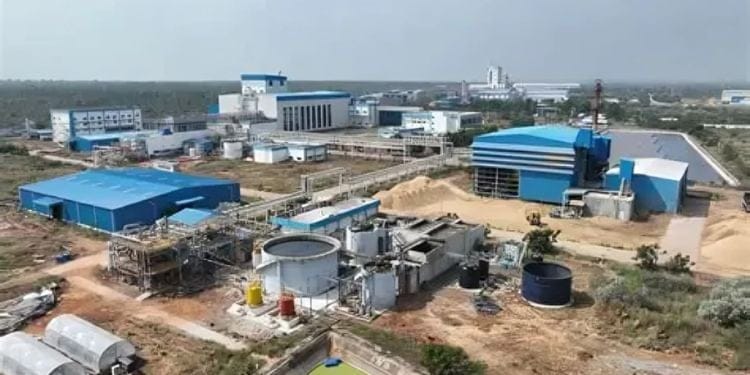
Tata Chemicals Magadi has asked the High Court to reject Kajiado County’s attempt to delay a case challenging the government’s suspension of its mining operations, warning that further delays could threaten its business and hundreds of jobs.
The company says its operations have remained closed since July 28, 2026, following a government directive over alleged violations of mining laws and other regulatory requirements. It argues that suspending the court proceedings would prolong the shutdown and prevent it from returning to business.
The dispute began after the Ministry of Mining, Blue Economy and Maritime Affairs ordered the soda ash producer to stop mining until it addressed outstanding compliance concerns.
Tata Chemicals maintains that the suspension was imposed without proper notice or a fair opportunity to respond to the allegations. It also says the indefinite closure lacks clear conditions and timelines for reopening the mine.
The company warned that the shutdown could force it to declare about 500 direct employees redundant and disrupt its contractual obligations. It also puts a planned KSh3.62 billion expansion project at risk.
“The applicant will continue to be unable to meet its contractual obligations, thereby exposing it to significant and potentially irreparable losses,” the company’s treasury and regulatory manager, Anthony Wanjohi, told the court.
Kajiado County wants to join the proceedings, arguing that the case directly affects its financial and environmental interests. The county says it has pursued unpaid land rates amounting to KSh11.4 billion as of February 2023 and has previously withheld business and trading licences in an effort to recover the money.
The county also maintains that the court should consider the interests of communities affected by mining activities in Magadi. However, Tata argues that the county’s claims over land rates, lease terms and royalties belong in separate cases and should not delay the challenge against the shutdown.
The Ministry of Mining has defended its decision, citing alleged unpaid royalties, mineral development levies, weaknesses in export reporting and concerns about environmental compliance and community development obligations.
According to court documents, the ministry issued a demand on May 14, 2026, requiring the company to settle royalties and the mineral development levy for January to April within 21 days. Officials later conducted a mineral audit to assess compliance.
Tata disputes the allegations, maintaining that it had settled the royalties and that the government failed to follow the required procedures before suspending operations.
The legal battle also threatens the company’s planned expansion, which was expected to increase annual soda ash production to one million tonnes from about 300,000 tonnes.
The court must now consider whether Kajiado County should participate in the proceedings as Tata seeks a resolution that could allow it to resume operations.