


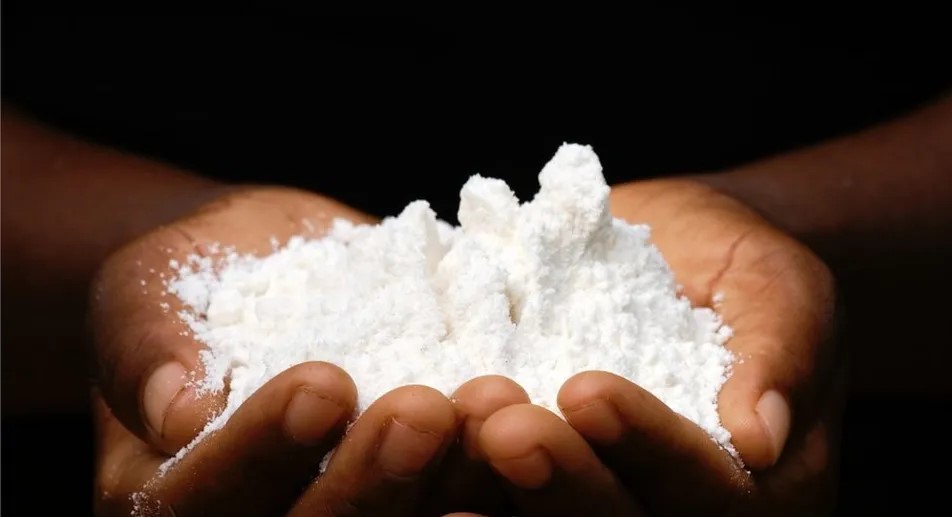
Ugali has been a traditional dish in Kenyan households for many years, uniting family members towards a common goal at the dining table. The dish popular among all is the identity of Kenya and its way of life.
Still, a plate of ugali often hides a story that even the regular consumers are unaware of. Most customers don’t stop to inquire about the safety, nutritional value, fortification, and the presence of aflatoxin, a harmful contaminant in the maize flour that they buy, while they usually change their minds on prices, brands, and packaging.
As safety and nutrition in food become a matter of concern, the experts say that the maize flour quality relies on the good handling of maize from production, to storage, and processing before it gets to the consumers.
To an extent, one can say that why for the mills of cereals in Kenya initiating a “Choose Safe. Choose Smart. ” campaign is the lack of knowledge about safe, nutritious, and fortified cereal products, and at the same time raising the awareness of the consumers to the dangers of the contamination of the source products.
Indeed, the movement intends to prepare the people through education that food safety is key, that consumption of contaminated products is dangerous, and that fortification of the flour is a good thing because of the nutritional benefits it brings.
Cereal Millers Association Chief Executive Officer, Paloma Fernandes, stated that immersion in food safety should never be compromised by any means in the life of human beings.
“One of our key principles is that food safety is non-negotiable. We have this campaign called Chagua Safe, Chagua Smart and it’s all about educating people about safe and nutritious food and what you need to be looking at when you feed your child. Millions of Kenyan families consume maize daily, but few understand the hidden food safety and nutrition risks,” said Fernandes.
The very first consideration for anyone is the type of product they’re providing to their families. Is it safe? Besides being aflatoxin-free, is it also enriched with the essential nutrients for a healthy lifestyle?
Aflatoxin is one of the greatest threats, as it’s a hidden toxin that can still be present in maize even after it has been consumed. After the corn is harvested, dried or handled, if it’s stored under poor conditions, the toxin can penetrate the corn.
Since there’s no physical way to determine the presence of aflatoxin (whether by sight or smell or taste), consumers depend on safety measures and standards during food processing only for their protection.
Besides its role in affording nutrients that complement the body’s metabolic functions, fortification is also a powerful tactic for fulfilling micronutrient requirements through the diet.
The flour with added “micronutrients” is referred to as fortified flour and contains vitamins and minerals that help in the development, growth, and health of an individual.
For many families, maize flour is their everyday meal. Truth is, it’s widely eaten, making maize flour the best food source for nutrition improvement and as a strategy for providing those most at risk, mainly children and women, with their nutritional needs.
Through the Chagua Safe. Chagua Smart. Initiative, CMA is promoting the idea of Kenyans as more knowledgeable consumers who, when making purchasing decisions, look further than the cost and actually give preference to food products which protect and promote the health and safety of the body.