


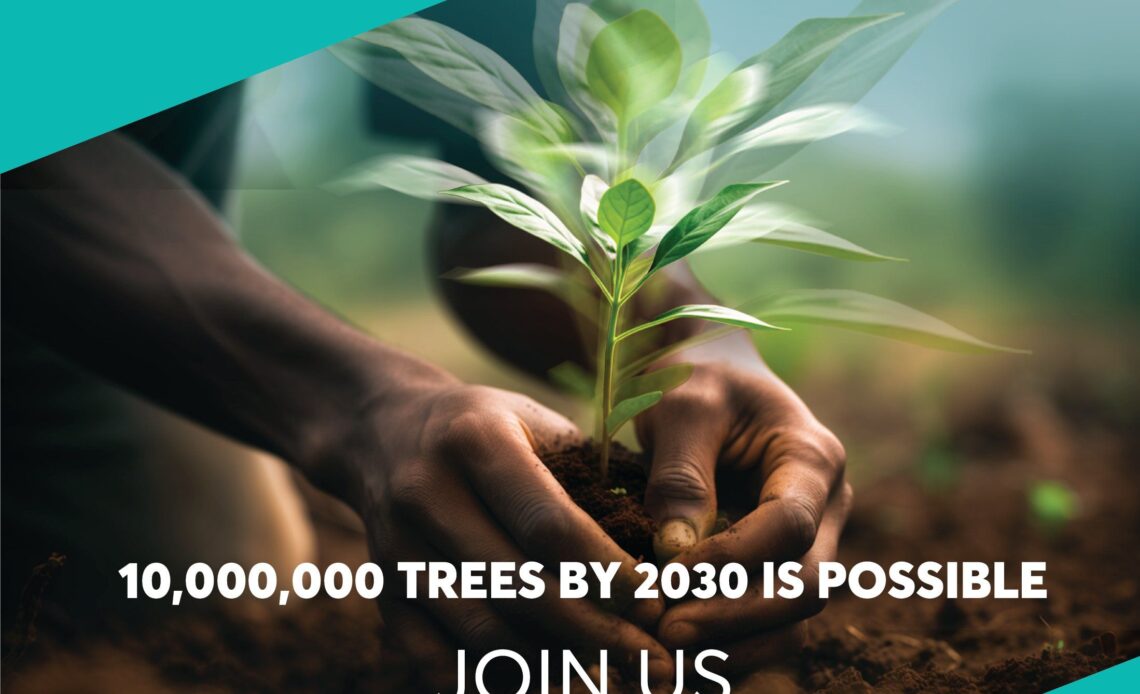
NCBA Group has reaffirmed its commitment to environmental conservation and sustainable development as the world marked World Environment Day 2026, joining the global call for urgent climate action through ecosystem restoration, green financing and climate resilience initiatives.
Under the 2026 themes of “Climate Action” and “Inspired by Nature, for Climate, for Our Future,” the global observance highlighted the need for nature-based solutions, including the restoration of forests, wetlands and other ecosystems to address climate challenges and build a sustainable future.
NCBA positioned itself as a sustainability-conscious institution that integrates environmental responsibility into its business strategy and operations, while supporting sustainable development through financing, partnerships and community-driven action.
Driving Environmental Conservation Through Tree Growing Initiative
As part of its long-term environmental commitment, NCBA continues to advance its ambition of growing 10 million trees by 2030. The initiative seeks to restore ecosystems, enhance biodiversity, strengthen climate resilience and support sustainable livelihoods for communities that depend on natural resources.
The bank has already contributed to the growth of more than 1.4 million trees, demonstrating its focus on turning sustainability commitments into measurable environmental impact.
During World Environment Day 2026 activities, NCBA teams participated in tree-planting initiatives across East Africa.
In Kenya, the bank gathered at Kamwaki Coffee Estate, while in Uganda it partnered with and for a tree-planting exercise at Nakasero Primary School. In Rwanda, NCBA joined hands with Excella High School to promote environmental conservation.
“The best time to plant a tree was 20 years ago and the second-best time is today. At Kamwaki Estate, we take that step not just for the present, but for generations to come,” NCBA said during the conservation activities.
Advancing Green Financing for Sustainable Growth
Beyond environmental restoration, NCBA is strengthening its role as a leader in ESG-driven banking by directing capital towards initiatives that promote climate resilience and sustainable development.
The bank has mobilised KES 9.5 billion in Green and Sustainable Financing, supporting projects and businesses aligned with environmental responsibility and long-term economic sustainability.
NCBA believes that financial institutions have a critical role in enabling the transition towards a low-carbon and climate-resilient economy by supporting solutions that create value for communities, businesses and future generations.
“The future of our economy depends on the health of our ecosystems. Our responsibility is to ensure capital supports solutions that create lasting value for communities, livelihoods and future generations,” said James Gossip, Managing Director, NCBA Bank Kenya.
Linking Environmental Health to Economic Prosperity
NCBA’s sustainability agenda recognises the close relationship between environmental protection and economic growth, particularly in sectors such as agriculture that depend heavily on healthy ecosystems.
Agriculture contributes approximately a fifth of Kenya’s Gross Domestic Product, making ecosystem preservation essential for protecting food systems, livelihoods and economic stability.
The bank emphasised that climate action should strengthen both people and the planet, rather than create a choice between economic development and environmental conservation.
“Climate action does not have to be a choice between people and the planet. When done well, it strengthens both,” said James Gossip.
Building Partnerships for Climate-Resilient Communities
NCBA continues to work with communities, farmers, businesses and environmental stakeholders to scale restoration efforts and create shared value.
During the World Environment Day activities, Esther Mutuma, CEO of Boreka Group, highlighted the importance of collaboration between local communities, the private sector and environmental organisations in expanding ecosystem restoration and building climate-resilient livelihoods.
“True sustainability happens when economic progress and environmental responsibility grow side by side. That’s the vision we share with Boreka Group,” said Nelly Wainaina, Group Director, Marketing, Communications & Citizenship, NCBA.
Turning Sustainability Commitments into Measurable Impact
NCBA’s sustainability journey is anchored in clear targets, transparency and measurable outcomes. Through its environmental initiatives, the bank has positively impacted more than 1.2 million livelihoods, while advancing financing solutions and conservation programmes that support climate resilience.
As World Environment Day 2026 rallied global attention towards rising temperatures, ecosystem decline and extreme weather events, NCBA reaffirmed its commitment to creating a greener future through responsible banking, environmental conservation and partnerships that deliver lasting impact.
The bank maintains that a sustainable future will require collective action, where businesses, communities and individuals work together to protect nature and secure prosperity for generations to come.