


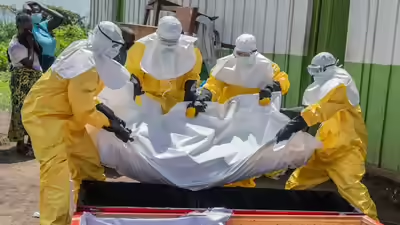
Ebola is a rare but severe viral hemorrhagic fever caused by infection with an orthoebolavirus. The disease is highly infectious and can spread rapidly through direct contact with the blood or bodily fluids of an infected person or animal.
Health experts warn that symptoms can appear anywhere between two and 21 days after exposure, with most patients developing signs within eight to 10 days.
Although Ebola is deadly, experts emphasise that it does not spread through the air. A person cannot contract the disease simply by being near an infected individual in a public place.
How Ebola Spreads
Ebolaviruses are mainly found in wild animals in sub-Saharan Africa, including fruit bats, chimpanzees, gorillas, and duikers. Human infections often begin through contact with infected animals during hunting, butchering, or consumption of bush meat.
Human-to-human transmission occurs when broken skin or mucous membranes come into contact with infected bodily fluids such as blood, saliva, sweat, urine, vomit, or faeces. The virus can also spread through contaminated objects, including clothing, bedding, and medical equipment exposed to infected fluids.
Health authorities caution that Ebola patients remain contagious while symptomatic and even after death, making safe burial practices critical during outbreaks.
Early Symptoms Often Resemble Common Illnesses
Medical experts say Ebola symptoms initially appear as generic “dry” symptoms, making it difficult to distinguish the disease from other infections such as malaria, influenza, typhoid fever, meningococcal disease, and pneumonia.
•Early symptoms include:
•Sudden high fever
•Severe headache
•Muscle and joint pain
•Weakness and fatigue
•Sore throat
Because of these nonspecific symptoms, healthcare providers are urged to conduct careful screening, especially in areas experiencing outbreaks.
Progression to Severe “Wet” Symptoms
After four to five days, patients may progress to more severe “wet” symptoms as the virus attacks the immune system and vital organs.
These symptoms include:
•Diarrhea
•Vomiting
•Abdominal pain
•Nausea
•Loss of appetite
•Unexplained bleeding or bruising
In severe cases, patients may experience bleeding from the nose, gums, eyes, or in stool and vomit. Other complications include skin rash, chest pain, shortness of breath, confusion, seizures, and impaired kidney and liver function.
Health experts note that patients who die from Ebola often develop severe symptoms early in the illness, while survivors may begin improving around six days after symptoms start.
Long-Term Effects Among Survivors
Survivors of Ebola disease may continue to suffer long after recovery. Medical researchers say complications can vary in severity and duration.
Common long-term effects include:
•Persistent tiredness
•Headaches
•Muscle and joint pain
•Eye and vision problems
•Memory loss
•Hearing difficulties
•Hair loss
•Chest tightness
•Depression and anxiety
•Post-traumatic stress disorder (PTSD)
Some survivors may also experience sleep problems, nerve pain, inflammation around the heart, and reproductive health complications.
Importance of Early Detection and Prevention
Public health officials continue to stress the importance of early detection, isolation of infected patients, and strict hygiene measures to prevent the spread of Ebola.
Communities are encouraged to avoid direct contact with infected persons, practice regular handwashing, and report suspected cases immediately to health authorities.
Healthcare workers are also advised to use protective equipment when handling patients or contaminated materials to reduce the risk of infection.