


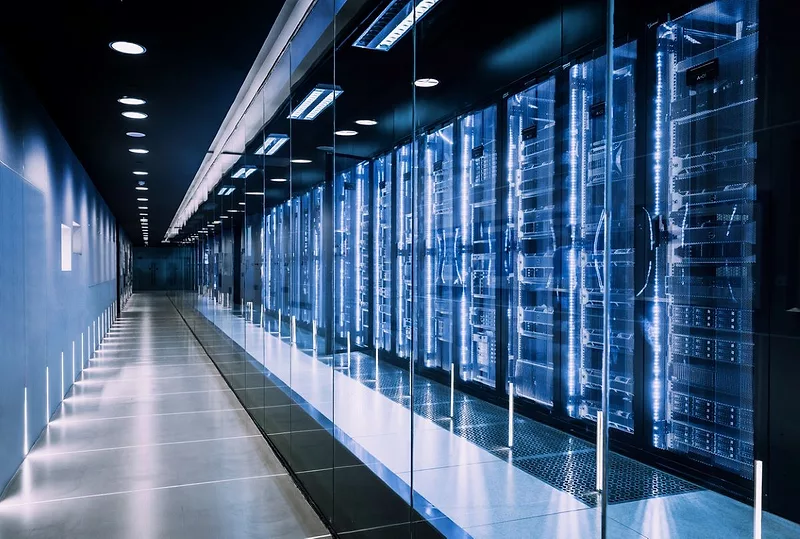
African Energy Week 2026 will introduce its first-ever AI and Data Centre Track, marking a significant step in aligning Africa’s digital expansion with its energy transformation agenda.
The new platform, led by the African Energy Chamber (AEC), aims to position digital infrastructure as a key driver of large-scale energy investment across the continent. The conference is scheduled to take place from October 12–16 in Cape Town, South Africa.
Linking Digital Growth to Energy Expansion
The AI and Data Centre Track is designed to bring together policymakers, investors and technology leaders to craft a unified strategy for scaling Africa’s power generation through rising digital demand.
As artificial intelligence, cloud computing and digital services expand globally, data centres are emerging as major consumers of electricity. Worldwide demand for uninterrupted power supply for IT equipment is projected to reach 249 gigawatts by 2030, with total installed capacity expected to hit 374 gigawatts.
For Africa, this trend presents a strategic opportunity to align energy infrastructure development with digital growth, helping address persistent energy poverty while supporting economic transformation.
Rising Investment in Africa’s Data Centre Ecosystem
Although Africa’s data centre market remains relatively underdeveloped compared to global peers, investment is steadily increasing.
South Africa currently leads the continent’s expansion, hosting cloud regions from Microsoft and Amazon Web Services, with Google expected to follow.
In East Africa, Kenya is also emerging as a key player, with approximately 40 megawatts of IT load capacity and projected annual growth of 30% through 2028. However, experts note that further investment is required to meet rapidly rising data demand, which is expected to quadruple per mobile user by 2028.
Shifting Toward Local Data Infrastructure
Historically, much of Africa’s digital demand has been serviced by European data centres. However, increasing concerns around latency and data sovereignty are accelerating the shift toward domestic infrastructure.
At the same time, Africa’s overall energy demand is projected to more than double by 2040, creating a unique opportunity to design future energy systems around emerging digital infrastructure rather than retrofitting outdated models.
AI and Data Centres as Catalysts for Energy Investment
According to NJ Ayuk, the initiative represents a transformative moment for the continent.
“Africa has a unique opportunity to leapfrog legacy systems by aligning its energy growth with the digital economy. Data centers and AI are not just consumers of power – they are catalysts for investment, innovation and access,” he said.
The AEC argues that data centres can serve as anchor demand for large-scale energy projects, creating predictable and bankable electricity consumption that can unlock investment in power generation and grid infrastructure.
Policy and Regulatory Focus
Beyond infrastructure, the AI and Data Centre Track will also address regulatory and fiscal frameworks needed to accelerate growth in both sectors.
The African Energy Chamber is working with governments and industry stakeholders to establish policies that support the expansion of AI technologies, data centres, and energy systems simultaneously.
Integrating Digital Infrastructure into Energy Strategy
By embedding the AI and data centre agenda within African Energy Week 2026, the AEC is pushing to integrate digital infrastructure into mainstream energy planning.
As global energy demand becomes increasingly shaped by digital technologies, Africa is positioning itself not only to meet that demand but also to leverage it as a foundation for sustainable economic growth.
The initiative signals a broader shift in how the continent approaches development—using the convergence of energy and digital infrastructure to drive inclusive and scalable transformation.