


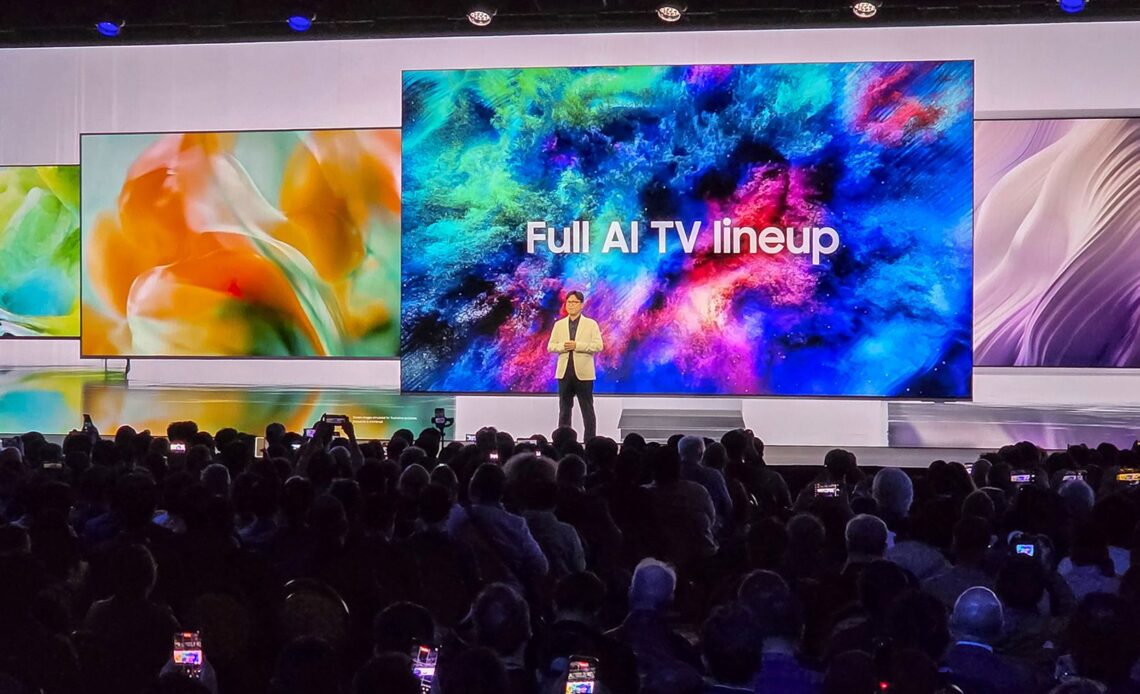
Samsung Electronics has placed openness and interoperability at the center of the smart home conversation, kicking off its CES 2026 Tech Forums with an industry-wide call to rethink how home artificial intelligence is built and deployed.
During the first panel, titled “When Everything Clicks: How Open Ecosystems Deliver Impactful AI,” Samsung brought together leaders from technology, media and insurance to explore how cross-industry collaboration is shaping the next generation of intelligent homes.
The discussion focused on moving beyond isolated smart devices toward connected environments that are seamless, secure and genuinely useful in everyday life.
Openness as the backbone of Home AI
Panelists agreed that the true potential of home AI can only be realized through open ecosystems that allow devices, platforms and services from different brands to work together. As modern homes increasingly rely on multiple technologies, from appliances and energy systems to safety and insurance services, closed systems limit innovation and user value.
Samsung reaffirmed its position that interoperability is essential for building trust in home AI. According to Yoonho Choi, President and Chair of the Board of the Home Connectivity Alliance (HCA) and Head of Strategic Alliances at Samsung Electronics, openness enables the home to function as a single intelligent system rather than a collection of disconnected features.
He noted that trust, transparency and user consent are critical as AI becomes more embedded in personal spaces, adding that open collaboration is already translating into safer homes, simpler routines and measurable cost savings for consumers.
Scale and experience powering connected living
Samsung also highlighted the scale of its smart home ecosystem, revealing that more than 500 million users globally are now part of the SmartThings platform. With over a decade of experience in connected living, the company says it has gained deep insights into how home AI is evolving from device-level automation to system-wide intelligence that coordinates across services.
This scale allows Samsung to design AI-driven experiences that feel intuitive rather than technical, integrating seamlessly into daily routines such as cooking, energy management and home security.
Michael Wolf, founder and editor-in-chief of The Spoon, emphasized the impact of broad connectivity, particularly in areas like the kitchen. He noted that a fully connected kitchen one that links appliances with water and heating networks can enable preventive actions and smarter resource use by offering a holistic view of the home environment.
From collaboration to consumer value
A key focus of the forum was how open ecosystems can deliver tangible benefits to users. Samsung pointed to its partnership with Hartford Steam Boiler (HSB) as a practical example of responsible data use creating real-world value.
Through this collaboration, smart home data, used transparently and with user consent, can be translated into direct financial benefits, including potential insurance savings. Jed Usich, Senior Vice President of Strategic Growth Solutions at HSB, said such integrations help build trust in smart home technologies by embedding them naturally into users’ lifestyles while delivering measurable outcomes.
Human-centered, not intrusive, AI
Beyond technology, the panel stressed the importance of designing home AI that feels human, calm and emotionally intelligent. Rather than being intrusive, AI systems should support daily activities like relaxing, entertaining and caring for family members, blending into routines as reliable companions.
Panelists agreed that achieving this balance requires thoughtful design, behavioral understanding and strong storytelling, alongside robust technical foundations.
The road ahead for Home AI
As AI becomes more ambient and system-wide, Samsung says it will continue to prioritize open ecosystems, responsible data practices and cross-industry collaboration. The company believes this approach is key to ensuring intelligent homes deliver real value without compromising user trust.
By championing interoperability at CES 2026, Samsung is positioning openness not just as a technical choice, but as a strategic foundation for the future of home AI, one where connected living is simpler, safer and more meaningful.