


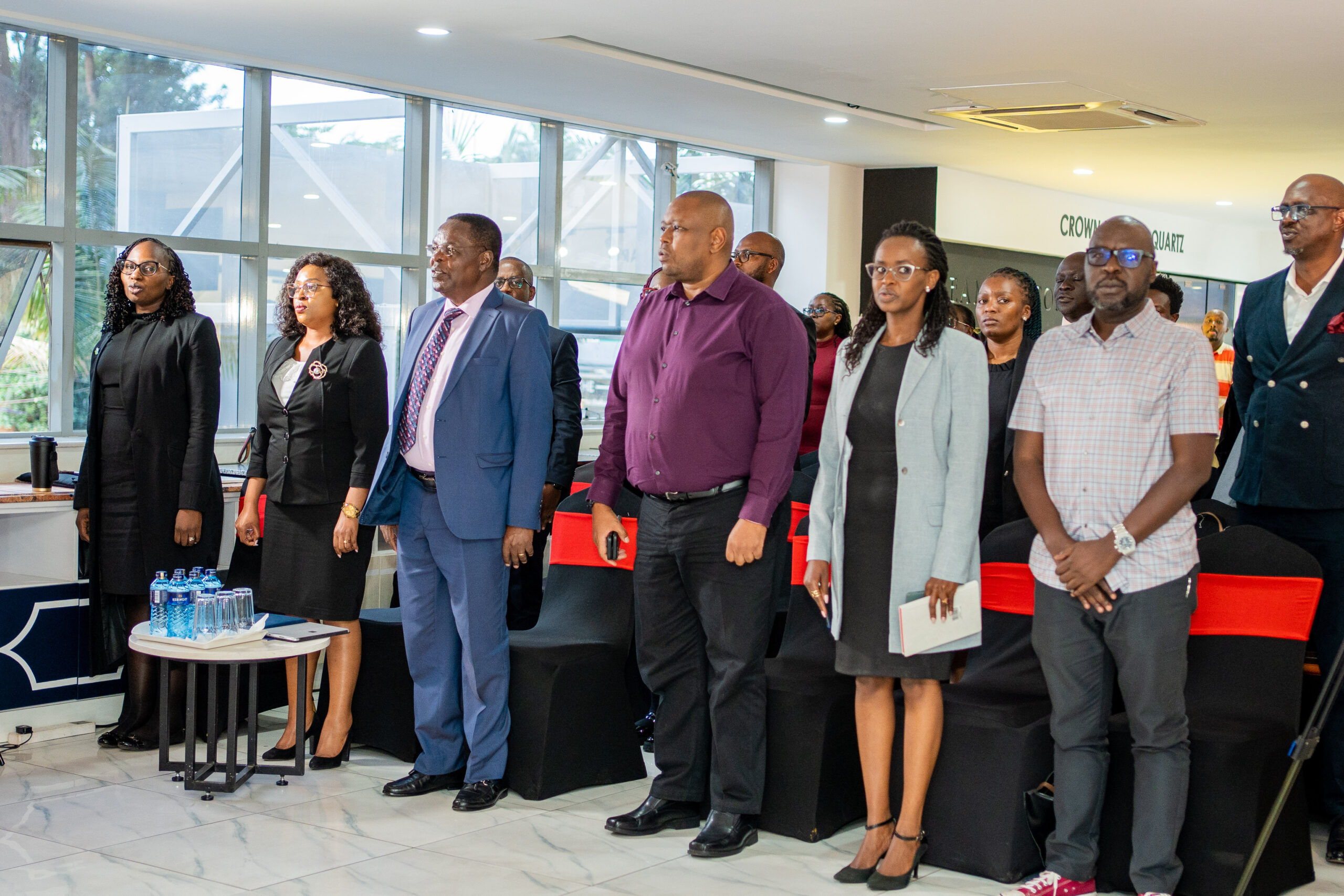
Kenyan professionals are increasingly coming under scrutiny for their role in enabling corruption across the country’s public and private sectors. This was the central theme at the seventh episode of The Lift, an influential talk series hosted by the Architects Alliance (TAA) on Friday at the Crown Paints Showroom in Westlands, Nairobi.
Themed “Professionals: Corrupt by Choice or Design?”, the high-level dialogue convened architects, lawyers, policy experts, and anti-corruption advocates to critically examine how professional expertise is sometimes weaponized to facilitate unethical practices.
Ethics and Anti-Corruption Commission (EACC) Chairperson Bishop Dr. David Oginde delivered a stark warning to the professional community, noting that large-scale corruption in Kenya often depends on the complicity of experts.
“Grand corruption cannot occur without technical endorsement—whether it’s through falsified designs, inflated legal budgets, or overlooked safety standards,” said Oginde. “Professionals are not just victims; they are often the perpetrators or enablers of corruption.”
He cited specific cases where ghost workers continue to draw salaries due to human resource officers’ negligence or complicity, and buildings collapse due to compromised architectural or engineering oversight.
“Who signs off on these unsafe structures? Who approves payments for work not done? These are professionals,” he added. “Our call today is for a return to integrity, where professionals uphold ethics above personal gain.”
TAA President Sylvia Kasanga, an architect, governance advocate, and former Senator, moderated the discussion and emphasized the critical role professionals play in shaping Kenya’s development path.
“We do not operate in isolation. As professionals, we shape policies, influence systems, and build infrastructure. Our silence in the face of corruption enables dysfunction,” she said.
Kasanga urged professional bodies to foster environments of accountability and reform, stating that The Lift series was designed to challenge complacency and initiate honest conversations on professional responsibility.
Law Society of Kenya (LSK) President Faith Odhiambo also weighed in, identifying systemic flaws in governance that enable corruption to flourish.
“This is not just about individual failure—it’s about the architecture of our systems. The problem is deeply embedded in how we’ve designed governance frameworks, often with professionals as key contributors,” said Odhiambo.
She pointed out that Kenya does not suffer from a lack of laws, but from a failure to enforce them due to compromised systems and loopholes that are deliberately exploited.
The event concluded with a consensus that real reform must start within the professional ranks. Experts called for stronger internal ethics enforcement mechanisms, renewed commitment to public service values, and robust partnerships with institutions like the EACC to combat malpractice.
Through initiatives like The Lift, the Architects Alliance is pushing to reawaken conscience within Kenya’s professional class—urging them to choose integrity over complicity in the fight against corruption.