


Kenya’s appetite for online shopping is growing at an unprecedented rate, with grocery and retail orders on Uber Eats surging by 88 percent in 2024, according to the platform’s latest Annual Cravings Report.9
The report provides key insights into what Kenyans ordered, their favorite dishes, and some of the most unusual requests made throughout the year. The findings highlight a shift in consumer behavior as more people turn to digital platforms for convenience, variety, and personalized ordering experiences.
Kenyan cuisine continued to be a top choice for consumers on Uber Eats, with dishes such as chicken biryani, beef pilau, mutton biryani, chicken pilau, and maharagwe ya nazi (served with chapati, of course!) ranking among the most popular.
Kenyan consumers also showed clear preferences when searching for food and retail items. The most searched term across the platform was “Quickmart”, while in Eldoret, “grocery” was the most looked-up term, and in Kisumu, “Java” led the list.

When it comes to merchants, Chandarana Foodplus at Adlife Plaza recorded the highest number of orders, fulfilling 280 orders in 2024. The most frequently purchased items included:
Brookside 500ml Dairy Best (pouch), Ajab 2kg Home Baking Flour, Pembe 2kg Maize Meal, Soko 2kg Maize Meal, Pembe 2kg Home Baking Flour
One Uber Eats customer set a new spending record, placing an order worth Kshs. 119,000 in a single transaction. The purchase included a variety of premium alcoholic beverages, such as Heineken Beer, Corona Beer, White Cap Beer, Bocada Rosé, Famille Perrin Rosé, Ca Di Rajo Prosecco, Bocada Red Wine, and Famille Perrin White and Red Wine.
The Cravings Report also highlighted some of Uber Eats’ most dedicated users:
One individual placed an order almost every day ,305 times in 2024, demonstrating a deep reliance on the app for daily meals and essentials.
One romantic user ensured Friday nights were special by ordering food for two 49 times throughout the year.
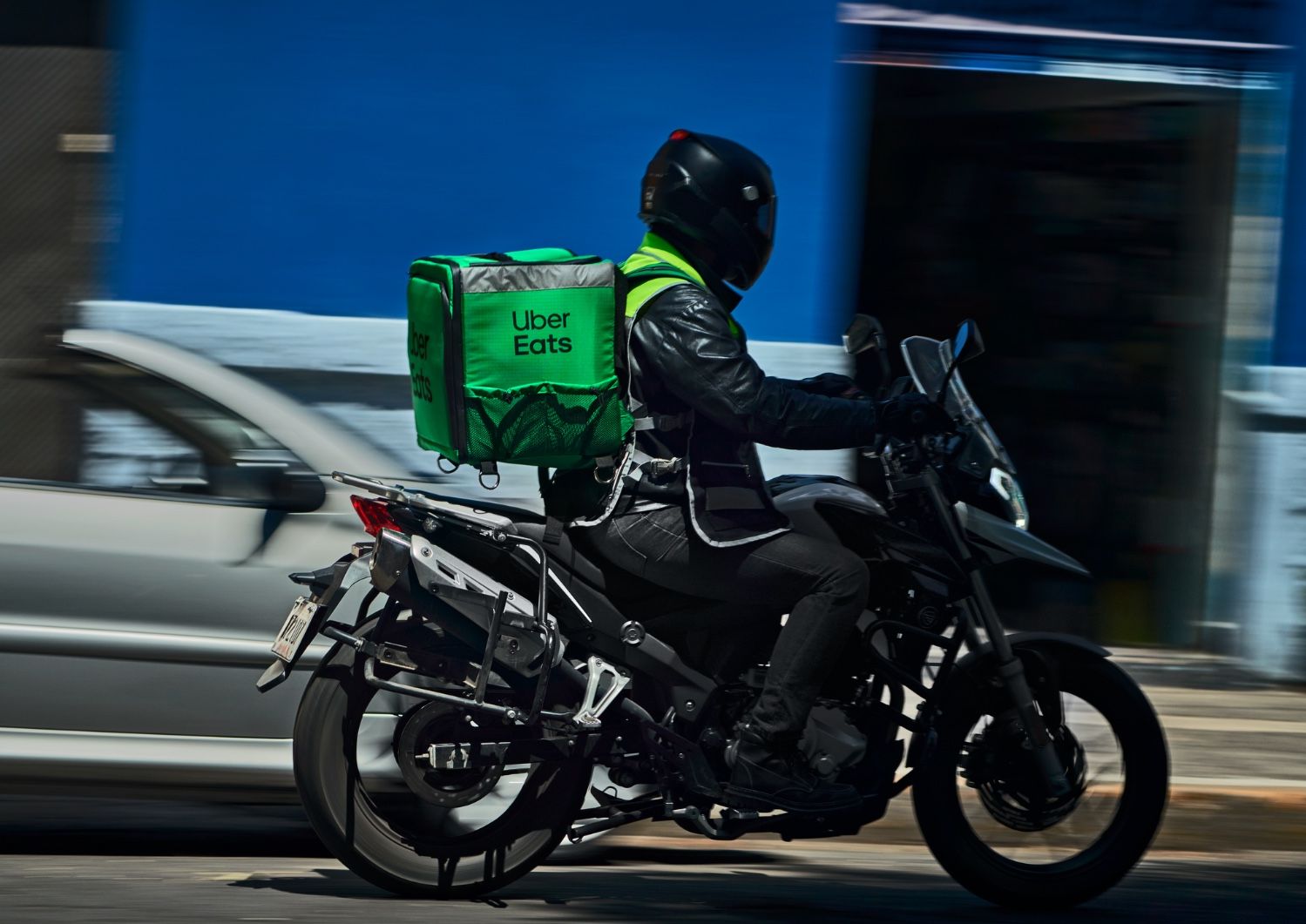
Delivery riders played a crucial role in fulfilling the growing demand for online orders. The most active rider on the platform completed over 6,500 trips—a distance equivalent to driving from Nairobi to Cape Town and back seven times!
Uber Eats customers also proved to be bold and humorous with their order requests. One user, for example, left a detailed and playful request when ordering a meal:
“Hey😆! Note that everything should be spicy. Both the Crunch Burger and the chicken. If there is also an option of spicy chips with no extra payment, I’m game😁😅. Ooh… biggest piece of chicken in your tray please 🙃. Let me have Fanta Blackcurrant. If you don’t have this, I’ll have the Coke instead🤗. Thank you very much for your time and lovely service.”
Beyond food cravings, Uber Eats became a platform for sharing special moments and spreading joy. One customer used the app to send a heartwarming birthday message to a loved one, reading:
“Happy Birthday to a Very Special Girl! Dear K*, Today is a day full of magic and joy because it’s your birthday! You’re growing up so fast, and each year you become more amazing. Your smile lights up the room, and your laughter is the sweetest music. Keep shining bright and dreaming big!”*
With an 88 per increase in grocery and retail orders, Uber Eats’ data suggests that online shopping is becoming a mainstream habit in Kenya. Consumers are not just ordering meals—they are also purchasing household essentials, sending gifts, and adding a personal touch to their orders.
As digital adoption continues to rise, the demand for speed, variety, and convenience in e-commerce is expected to shape how Kenyans shop in 2025 and beyond. Uber Eats, alongside other online platforms, is likely to play a growing role in how consumers access food, groceries, and retail products in the years to come.