


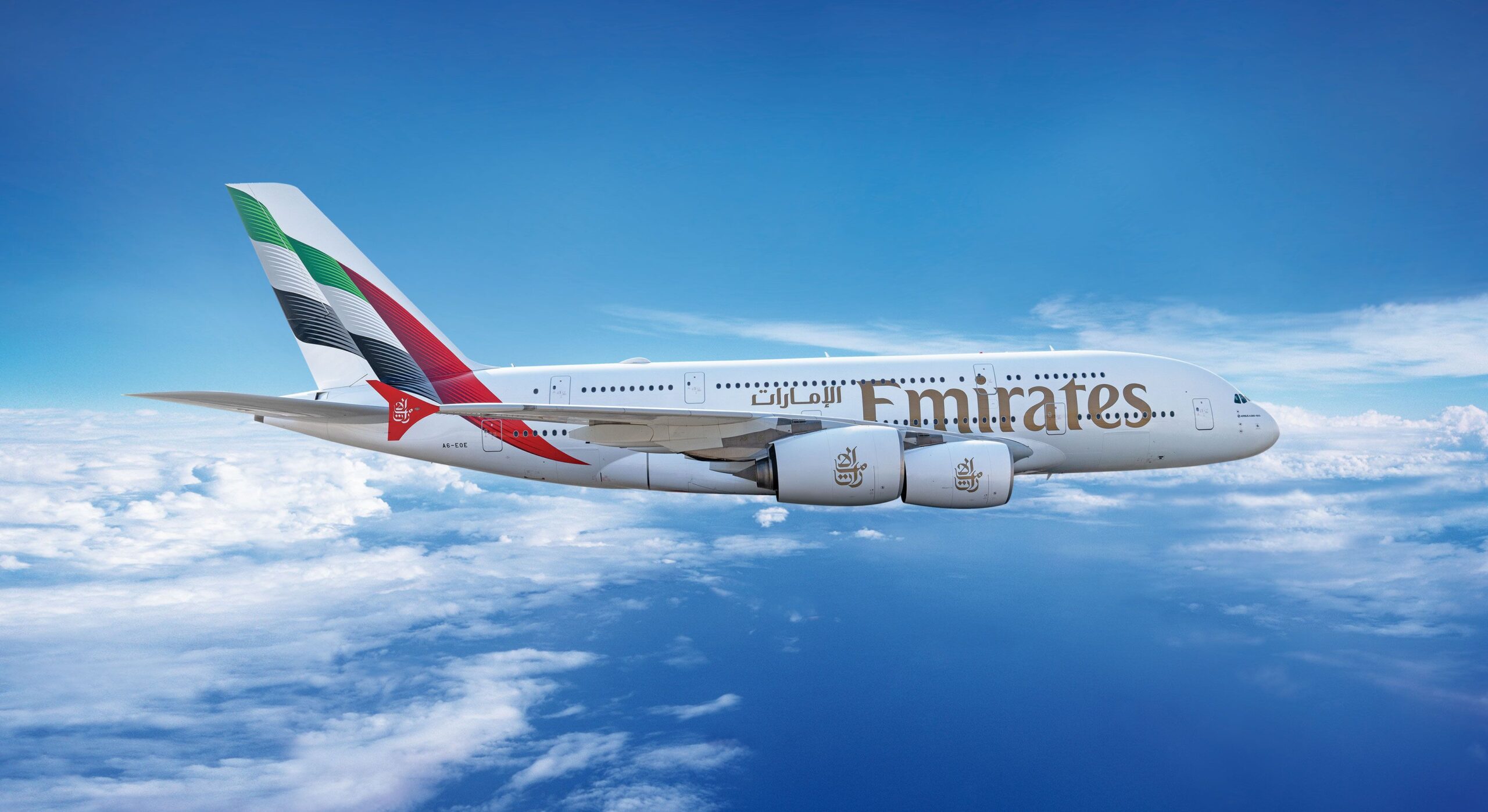
In a significant step to tackle the global donkey skin trade, international animal welfare charity The Donkey Sanctuary has partnered with Emirates, the world’s largest international airline, to address the risks associated with the transportation of donkey skins in air cargo. Together, the organizations have co-created the Aviation Risk and Threat Assessment operational guide, aimed at raising awareness of the trade’s links to organised crime and highlighting biosecurity threats posed by this illicit activity.
According to The Donkey Sanctuary, an estimated six million donkeys are slaughtered annually for their skins, with Africa being the most affected region. These skins are exported worldwide, often via air and sea, to meet the demand for traditional medicines and remedies. However, a joint Donkey Sanctuary study with the University of Oxford’s Saïd Business School and Wildlife Conservation Research Unit (WildCRU) uncovered troubling connections between the donkey skin trade and organised crime, including illegal wildlife and drug trafficking.
The unregulated and unhygienic nature of the trade also raises significant concerns for global biosecurity. Donkey hides smuggled alongside legitimate cargo, such as textiles or leather goods, can introduce dangerous pathogens and pose public health risks.
Emirates, a leader in combatting illegal wildlife trade, has already implemented a ban on the carriage of donkey skins. Earlier this year, the airline extended its zero-tolerance policy on banned species and hunting trophies to include donkey hides, following a resolution at the 37th African Union (AU) Summit, where African Heads of State endorsed a continent-wide moratorium on the slaughter of donkeys for their skins.
Emirates’ comprehensive approach includes advanced screening protocols, spot checks, and rigorous document verification processes. The airline also trains its cargo and passenger operations teams to identify and report wildlife smuggling, ensuring traffickers face greater obstacles.
Robert Fordree, Senior Vice President of Cargo Operations Worldwide at Emirates SkyCargo, emphasized the airline’s commitment. “We are proud to bring our expertise in both air logistics and the fight against illegal wildlife trafficking to the preparation of these guidelines. In close collaboration with The Donkey Sanctuary, we have highlighted some of the ways bad actors can exploit the logistics network to transport illicit goods. By working with like-minded partners, we can protect the world’s biodiversity for generations to come.”
The Aviation Risk and Threat Assessment operational guide provides critical tools for airlines to detect and prevent trafficking. It identifies methods used by smugglers to conceal donkey skins and exposes the overlap between the donkey skin trade and other forms of organised crime. Importantly, the guide also educates the aviation industry on the biosecurity risks of poorly processed hides entering the cargo network.
Marianne Steele, CEO of The Donkey Sanctuary, lauded Emirates’ leadership, “This is another welcome step in the battle against the illegal trade in donkey skins within the transportation sector. Emirates is setting new standards with its support for our work and its tightening of trafficking policies. We hope others in the aviation industry will follow suit and join us in cracking down on this cruel and unsustainable trade.”
Steele stressed that raising awareness about the inhumane donkey skin trade not only protects donkeys but also tackles broader issues such as illegal wildlife trafficking, organised crime, and public health risks.
The collaboration between The Donkey Sanctuary and Emirates serves as a model for the wider aviation industry. By offering practical guidance and operational solutions, the partnership seeks to encourage other airlines to strengthen detection and enforcement mechanisms.
With its global reach and commitment to wildlife protection, Emirates is paving the way for greater accountability within the transportation sector, shining a light on a trade that remains largely hidden. Together with The Donkey Sanctuary, the airline aims to stop traffickers and safeguard animal welfare, public health, and biodiversity worldwide.