


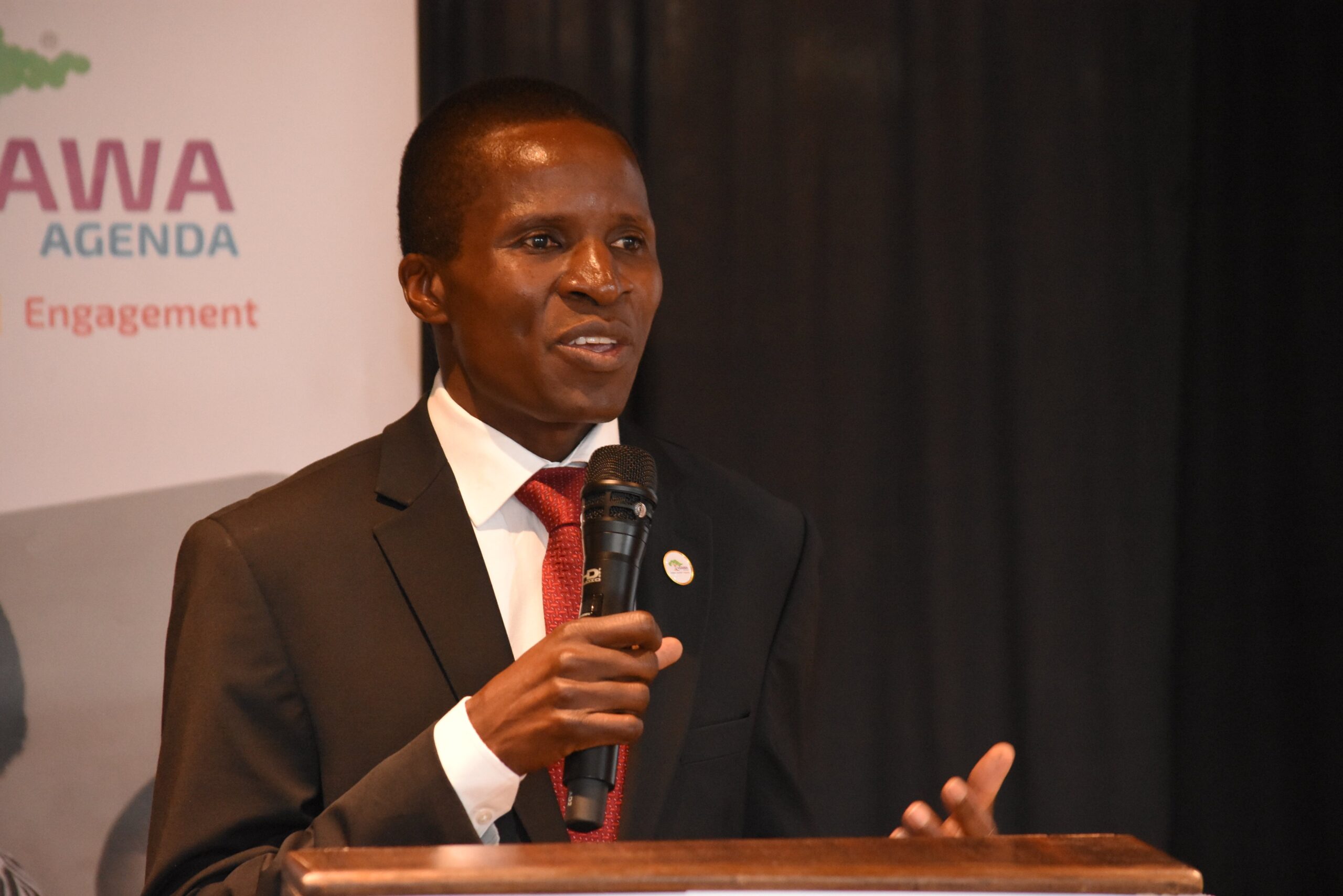
A report by USAWA Agenda highlights significant inequalities in the Kenyan education system, particularly regarding gender relations in basic education. The findings were unveiled at an event on Thursday, raising concerns about resource allocation and gender representation across schools.
The report reveals that boys’ secondary schools are notably better equipped than their girls’ and mixed counterparts. Key statistics show that 61.5 percent of boys’ schools possess Chemistry laboratories, compared to just 42 percent in girls’ schools. Similarly, 51.3 percent of boys’ schools have Biology laboratories, while only 35.7 percent of girls’ schools can make the same claim.
The disparity continues in Physics, where 58.6 percent of boys’ schools have laboratories compared to a mere 33.1 percent for girls’ schools. This resource gap highlights systemic issues affecting girls’ education and raises questions about the long-term implications for gender equity in STEM fields.
USAWA Agenda’s Executive Director, Emmanuel Manyase, expressed concern over the declining number of girls in higher education. He pointed out that significantly fewer girls proceed to university compared to boys, questioning the support systems in place for empowering the girl child. “What kind of role models and skills do we give our girls? Do we support and empower the girl child?” Manyase asked, emphasizing the need for proactive measures to address these gaps. “Teachers are overwhelmed by interventions because everyone thinks they know what teachers should do,” he added
The report also notes that 16 percent of pre-school age children are out of school, with a higher number of boys of school-going age not enrolled compared to girls. This trend is concerning, particularly as the education system transitions to higher levels, where the representation of girls continues to dwindle.
Safety guidelines in boarding schools further reflect troubling trends. Only 40.5 percent of surveyed boarding secondary schools adhered to guidelines on spacing students’ beds, with mixed secondary schools reporting the lowest compliance at 29.9 percent . In contrast, boys’ schools demonstrated higher adherence at 67.1 percent, underscoring a disparity in the enforcement of safety standards.
In terms of literacy, the report reveals that 38.2 percent of grade six learners in rural areas failed to meet expectations in reading a grade 3-appropriate English story, compared to 28.7 percent in urban settings. This discrepancy raises critical questions about the effectiveness of educational strategies and resource distribution.
Moreover, the report sheds light on the challenges faced by children with disabilities, noting that 20.2 percent of these children are out of school. The leadership landscape in schools is also concerning, as women remain under-represented in management roles, despite being preferred for teaching positions in primary schools.
The comprehensive survey, conducted between June and July 2023 across all 47 counties, sampled 1,813 primary schools and 1,342 secondary schools, revealing a pressing need for reforms to achieve gender equality in education.