

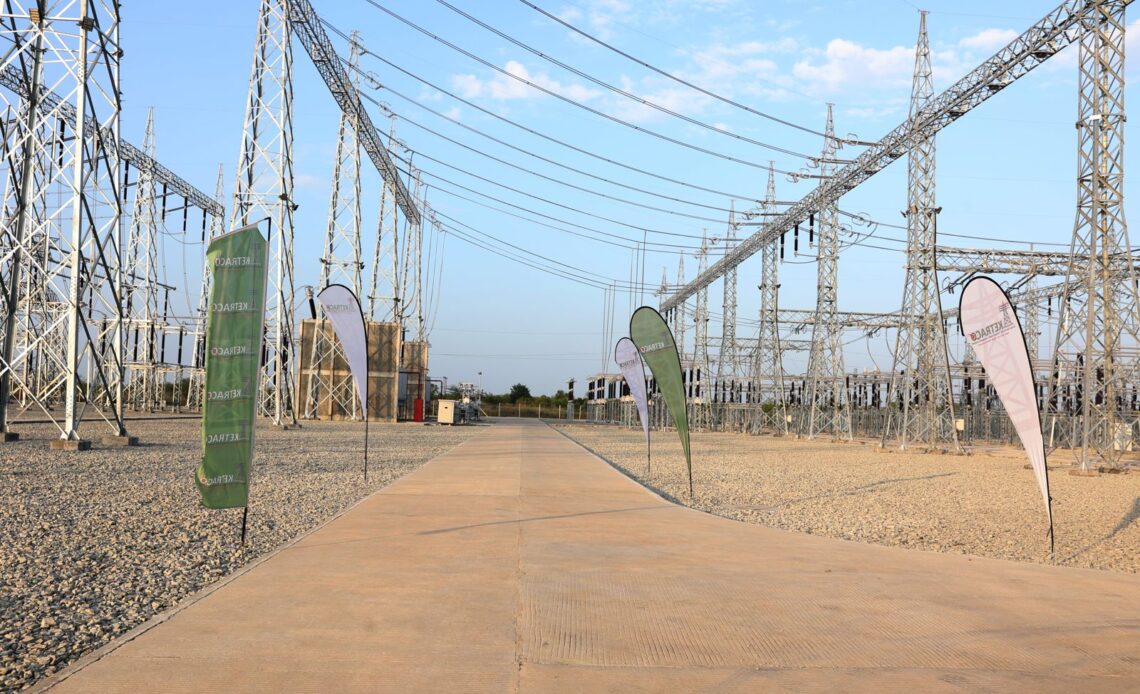
The Kenya Electricity Transmission Company (KETRACO) has officially energised the 400/220kV Mariakani Substation, a major milestone set to transform electricity supply across the Coast region and strengthen Kenya’s national transmission grid.
The commissioning of the substation is expected to deliver reliable, stable and adequate power to households, businesses, hotels, and both small- and large-scale manufacturing industries, ending years of power instability and reducing dependence on costly diesel generators.
Mariakani Substation serves as a critical power gateway linking the Coast to the Nairobi national transmission grid. By reinforcing this link at 400kV, KETRACO is enabling the transmission of more than 1,000 megawatts of electricity between Nairobi and Mombasa, easing pressure on the Coast’s power network while supporting industrial growth, investment and improved livelihoods.
The project forms part of the Mombasa–Nairobi Transmission Line and is a strategic component of Kenya’s national power infrastructure. It also underpins the regional interconnected power system, helping Kenya fully realise the operational benefits of the 500kV Ethiopia–Kenya and 400kV Kenya–Tanzania interconnectors.

In addition, the Mariakani Substation will play a key role in Kenya’s goal of achieving 100 per cent clean energy by 2030. It will allow increased transmission of geothermal power from Olkaria, wind energy from the Lake Turkana Wind Power project, and hydropower imports from Ethiopia to the Coast region.
“With this development, the Coast will significantly reduce its reliance on expensive and polluting diesel power, especially during peak evening hours,” said KETRACO Acting Managing Director Eng. Kipkemoi Kibias. “Cleaner, reliable and stable energy will now flow more efficiently, lowering costs and stabilising supply.”
The Mariakani Substation was financed through a partnership between the Government of Kenya and the African Development Bank (AfDB) at a cost of KES 3 billion. China CAMC Engineering Co. Ltd implemented the project under the supervision of KETRACO engineers.
AfDB is also the lead financier of the transmission lines linking Mariakani to Nairobi and Rabai, including the 400kV double-circuit Isinya–Mariakani line and the 220kV Mariakani–Rabai line.
The energisation of Mariakani Substation marks the completion of Phase II of the Mombasa–Nairobi Transmission Line Project. Phase I, completed earlier, involved the construction of a 492-kilometre double-circuit transmission line from Rabai Substation in Kilifi County to Embakasi Substation near Nairobi’s Inland Container Depot, at a cost of KES 17 billion financed by AfDB, the European Investment Bank, the French Development Agency and the Government of Kenya.
Phase II focused on constructing the 400/220kV Mariakani and Isinya substations to upgrade transmission capacity by raising voltage from 220kV to 400kV. With Isinya completed in 2022 and Mariakani now energised, the full 400kV Mombasa–Nairobi transmission corridor is operational. Phase II cost KES 7 billion.
KETRACO says the completed project will increase transmission capacity to the Coast by over 1,000MW of clean energy, reduce technical power losses, lower the cost of electricity, and reinforce grid reliability and stability—fully integrating the Coast region into Kenya’s modern, resilient power network.