


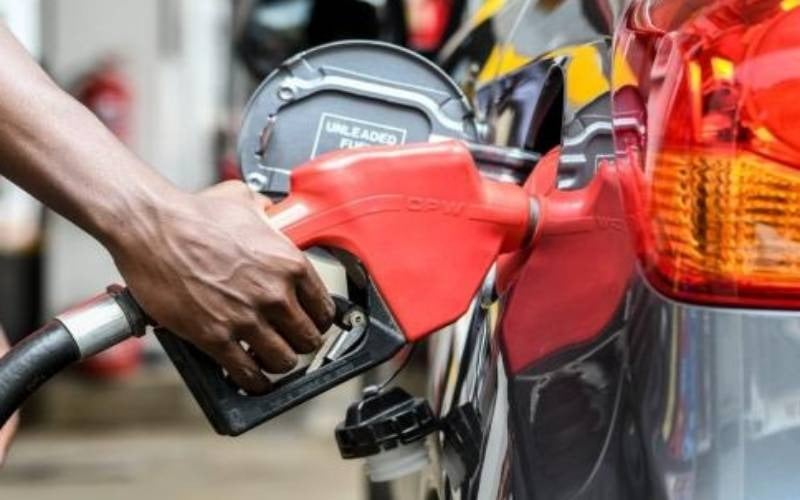
Motorists and households are set to dig deeper into their pockets after the Energy and Petroleum Regulatory Authority (EPRA) announced a sharp increase in fuel prices for the period running from May 15, 2026 to June 14, 2026.
Under the latest review, the maximum retail price of Super Petrol has increased by KShs.16.65 per litre, while Diesel has recorded a steep rise of KShs.46.29 per litre. However, the price of Kerosene will remain unchanged during the review period.
The new prices, which take effect nationwide from midnight, are inclusive of Value Added Tax (VAT) in line with the VAT Act 2013, the Finance Act 2023, the Tax Laws (Amendment) Act 2024, and revised excise duty rates adjusted for inflation under Legal Notice No. 194 of 2020.
EPRA noted that the pricing calculations were based on the reinstated 8 percent VAT on petroleum products following Legal Notice No. 70 issued on April 15, 2026.
To cushion consumers from the soaring fuel costs, the government will utilize approximately KShs.5 billion from the Petroleum Development Levy (PDL) Fund to subsidize Diesel and Kerosene prices.
The latest surge in pump prices has been attributed to rising global oil import costs. According to EPRA, the average landed cost of imported Super Petrol rose by 10 percent from US$823.87 per cubic metre in March 2026 to US$906.23 per cubic metre in April 2026.
Diesel recorded the sharpest increase, climbing by 20.32 percent from US$1,073.82 per cubic metre to US$1,291.98 per cubic metre over the same period.
Meanwhile, the average landed cost of Kerosene increased marginally by 1.59 percent from US$1,311.93 per cubic metre in March to US$1,332.73 per cubic metre in April.
The latest adjustment is expected to trigger concerns over the rising cost of living, with transport, food, and production costs likely to increase as businesses adjust to higher fuel expenses.
Currently, Kenya imports all its petroleum product requirements in refined form, and the products are traded in international markets based on a pricing benchmark.
Further, the trade of petroleum products in the international markets is denominated in United States Dollars (USD), and an exchange rate is applied to convert the USD to KShs during the computation of local pump prices.