


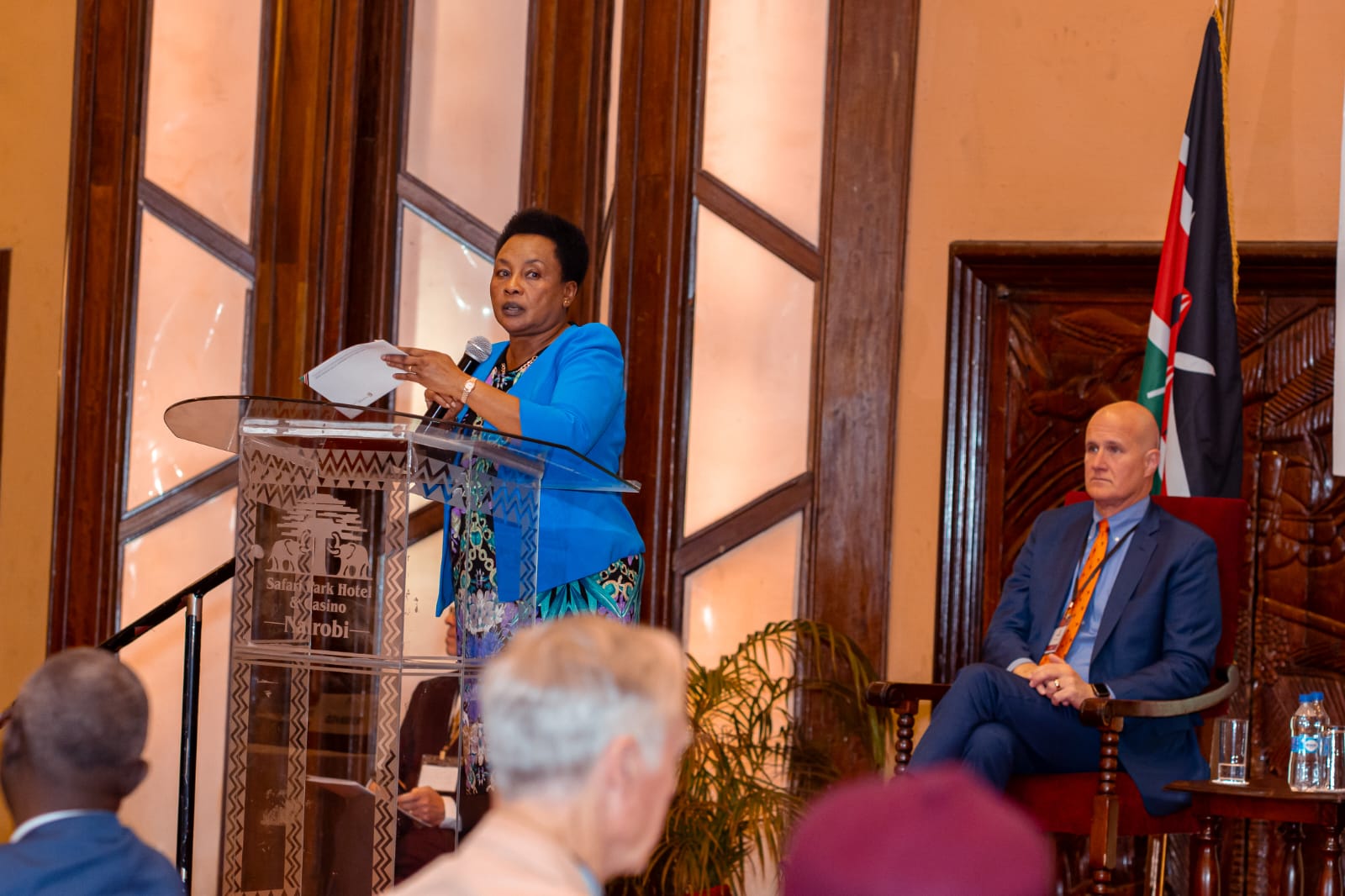
International Religious Freedom (IRF) Summit Africa has officially launched in Nairobi, Kenya, marking a significant step towards safeguarding religious freedom as a core principle of peacebuilding, human dignity, and sustainable development across the continent.
Held under the distinguished patronage of Chief Justice Martha Koome, who is also the summit’s Chief Guest, the three-day event convenes policymakers, religious leaders, civil society actors, and scholars from across Africa and the globe. It is jointly organized by Pepperdine University and the Religious Freedom Institute, and hosted by the Global Peace Foundation.
At the heart of the summit’s agenda is the urgent need to address the growing threats to religious freedom across Africa. Organizers and keynote speakers highlighted the rise of violent extremism, religious persecution, and restrictions on expression, warning that these challenges not only infringe on individual rights but also destabilize communities and nations.
Ambassador Sam Brownback, former U.S. Ambassador-at-Large for International Religious Freedom and current IRF Summit Co-Chair, emphasized that religious liberty is a prerequisite for economic and social advancement.
“If a continent aspires to develop, it must guarantee religious freedom for everyone at all times,” he asserted.
Brownback added that nations which favor certain religions over others sow deep divisions, undermining unity and deterring foreign investment.
“A nation’s growth hinges on its capacity to allow every citizen the freedom to practice their religion without fear of persecution,” he warned.
H.E. Mrs. Bola Obasanjo, also a Co-Chair of the IRF Summit, urged African nations to make deliberate investments in the promotion of religious freedom.
“Africa requires greater investments of time and talent to advance religious freedom,” she said, calling it a shared responsibility across governments, faith communities, and civil society.
Dr. Katrina Lantos Swett, a veteran human rights advocate and Co-Chair of the summit, noted that countries which uphold religious liberty and human rights enjoy more equitable development, particularly for women.
“Societies that uphold fundamental human rights generally enjoy greater success,” she said, proposing that African religious leaders come together to forge an Abrahamic peace treaty to foster unity across Christian and Muslim communities.
David Trimble, President of the Religious Freedom Institute, urged Africa to take bold steps in reinforcing its longstanding traditions of peaceful religious coexistence.
“It is time for Africa to embark on a new chapter to address the ongoing challenges of religious persecution,” he said.
Representing the academic sector, Danny DeWalt, Senior Vice President for Global Impact at Pepperdine University, expressed hope that the summit will lay the foundation for a united African network committed to eliminating religious persecution.
Speaking on behalf of the host nation, Deputy Chief Justice Philomena Mwilu gave a powerful address on the centrality of religious freedom to Kenya’s constitutional framework and democratic identity.
“These violations are not merely attacks on individual freedoms; they undermine the very fabric of our societies,” she stated, referring to the rising cases of persecution and extremist violence in the region.
Justice Mwilu cited Article 32 of the Kenyan Constitution, which guarantees the rights to freedom of conscience, religion, belief, and opinion.
“Kenya not only provides legal protections but also fosters a cultural environment that champions religious diversity and spiritual expression,” she affirmed.
Throughout the summit’s opening day, speakers reaffirmed the belief that religious freedom is not only a moral and legal imperative but also a catalyst for Africa’s socioeconomic transformation.
By protecting the right of every individual to worship freely, countries can foster greater national cohesion, promote peace, and attract inclusive development. Summit organizers have committed to supporting continued dialogue, policy innovation, and regional cooperation on religious liberty across the continent.
The Nairobi summit is expected to culminate in a continental declaration on religious freedom, setting the stage for sustained advocacy and institutional reforms in African nations.