


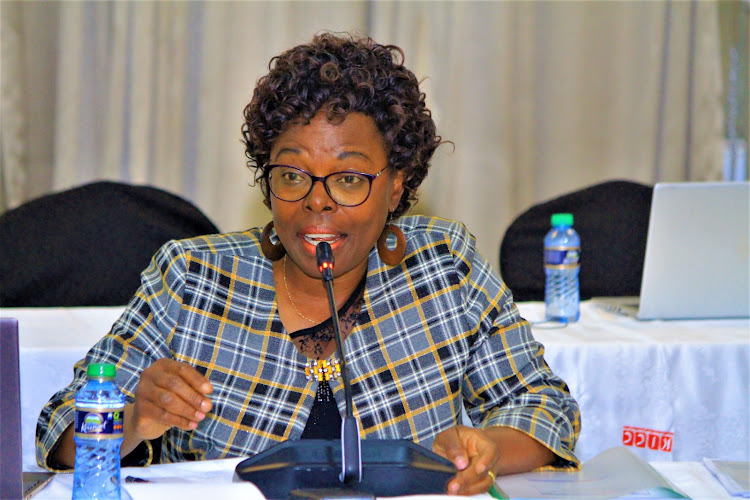
Kenya’s public debt burden continues to mount, with the Controller of Budget, Dr. Margaret Nyakang’o, raising concerns over a sharp rise in domestic borrowing and growing debt servicing obligations. Appearing before the National
Assembly’s Committee on Public Debt and Privatisation, Dr. Nyakang’o urged the National Treasury to implement urgent fiscal consolidation measures to curb the widening fiscal deficit and avert a potential debt crisis.
According to the latest figures presented by the Controller, the country’s public debt stock rose by 7 per cent in just nine months—from KSh 10.58 trillion on June 30, 2024, to KSh 11.36 trillion by March 31, 2025. Of this, domestic debt accounted for the largest portion, surging by 13 per cent to KSh 6.12 trillion, while external debt increased marginally by 1 per cent.
“The sharp increase in domestic borrowing is unsustainable and is placing significant strain on the country’s fiscal framework,” said Dr. Nyakang’o. “We need to address the growing debt servicing costs which are crowding out essential development spending.”
The government has allocated KSh 2.04 trillion for debt servicing in the current financial year, which runs through June 2025. However, as of the end of March, only KSh 1.20 trillion had been utilized, raising concerns about the pace and pressure of debt repayment in the final quarter.
Dr. Nyakang’o cautioned that continued reliance on expensive domestic and commercial borrowing could elevate the risk of debt distress. She recommended that the government pursue concessional loans with favorable terms and lower interest rates. She also stressed the need for expenditure rationalization by reducing non-essential spending.
Among the urgent reforms proposed is the prioritization of pending obligations such as pensions and gratuities. The Controller highlighted that at least KSh 23 billion in pension payments were carried forward from the last financial year due to delays.
Lawmakers on the committee echoed concerns over the persistent delays in government remittances to pension schemes, warning that failure to address the backlog could trigger a confidence crisis among retirees and public sector workers.
“We must ensure that the government honors its commitments to retirees. These delays not only affect livelihoods but also erode trust in public financial management,” noted one Member of Parliament during the session.
As Kenya navigates mounting fiscal pressures, the call for more prudent debt management and efficient resource allocation grows louder.
Analysts say the government faces a critical balancing act between maintaining economic stability and sustaining public services amidst tightening fiscal space.