


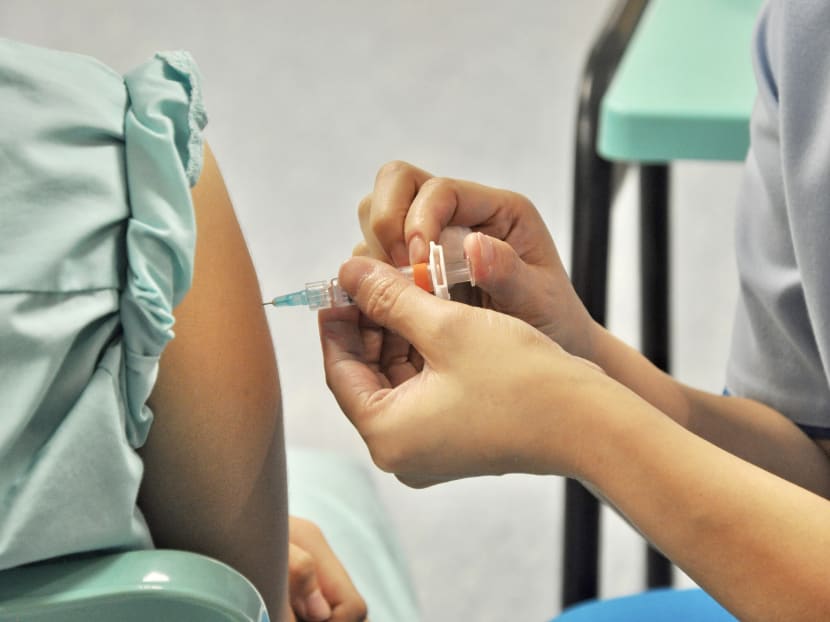
Health experts are raising the alarm over persistently low uptake of the human papillomavirus (HPV) vaccine in sub-Saharan Africa, despite its proven effectiveness in preventing cervical cancer. Vaccine hesitancy—driven by misinformation, mistrust, and accessibility issues—continues to hamper immunisation efforts across the continent, even as cervical cancer remains a leading cause of death among African women.
A new Vaccine Confidence Report launched by MSD in collaboration with Prof. Hannelie Meyer, Head of the South African Vaccination and Immunisation Centre, has revealed that 71% of South Africans surveyed were hesitant to receive at least one available vaccine. The report, released during the SSA HPV Media Roundtable and the European Society of Clinical Microbiology and Infectious Diseases conference, underscores a critical gap in public trust during World and Africa Immunisation Week (24–30 April 2025).
Cervical cancer, primarily caused by persistent HPV infection, accounts for the majority of cancer-related deaths in low- and middle-income countries. The World Health Organization (WHO) estimates that 94% of these deaths occur in such regions, with sub-Saharan Africa bearing a disproportionate burden. HPV prevalence among young African women under 25 stands at 43.9 percent —more than double the global average of 19.2 percent
The crisis is particularly acute in countries such as Ghana, where 3,000 women are diagnosed with cervical cancer annually and approximately 2,000 die each year. In Rwanda, prior to the implementation of the national HPV vaccination program, 54% of women under 19 tested HPV-positive. Egypt, too, faces a growing threat, with cervical cancer ranking as the 13th most common cancer among its female population.
“Despite clear scientific evidence, many people still fear that vaccines are unsafe,” said Prof. Meyer. “This reluctance is troubling given the direct link between HPV and cervical cancer. Addressing these fears with credible information is vital to reducing the burden in sub-Saharan Africa.”
A 2023 study published in Scientific Reports titled “Vaccine Hesitancy and Trust in sub-Saharan Africa” examined attitudes across six countries—Ghana, Kenya, Nigeria, South Africa, Tanzania, and Uganda. It found that only 10 percent of respondents had received at least one HPV dose, with vaccine hesitancy highest in South Africa (17.15%) and lowest in Kenya (8.3%).
Misinformation remains a key driver of this hesitancy, amplified by social media and online platforms. Experts also cite funding gaps and disrupted immunisation campaigns due to shifting global priorities and economic pressures. “Routine immunisation has saved millions of lives,” said Dr. Alima Essoh, Regional Director at AMP Africa. “When misinformation and resource constraints disrupt these efforts, we risk undoing decades of progress.
To counter this trend, health professionals advocate for community-driven and youth-friendly approaches. Dr. Sabrina Kitaka of Makerere University champions the use of comic books, school-based programs, and digital reminders like SMS to improve adherence to the full vaccine schedule. These strategies, she argues, must be scaled up alongside coordinated efforts from governments, civil society, and the private sector.
WHO’s goal to eliminate cervical cancer as a public health concern by 2030 includes vaccinating 90 percent of girls under 15. However, experts warn that rising vaccine hesitancy could derail this objective—not just for HPV, but for other preventable diseases such as measles and polio.
“There is no time to waste,” Prof. Meyer emphasized. “We must work together to share accurate information, address concerns, and make vaccines truly accessible. Only then can we protect future generations from preventable diseases.”