


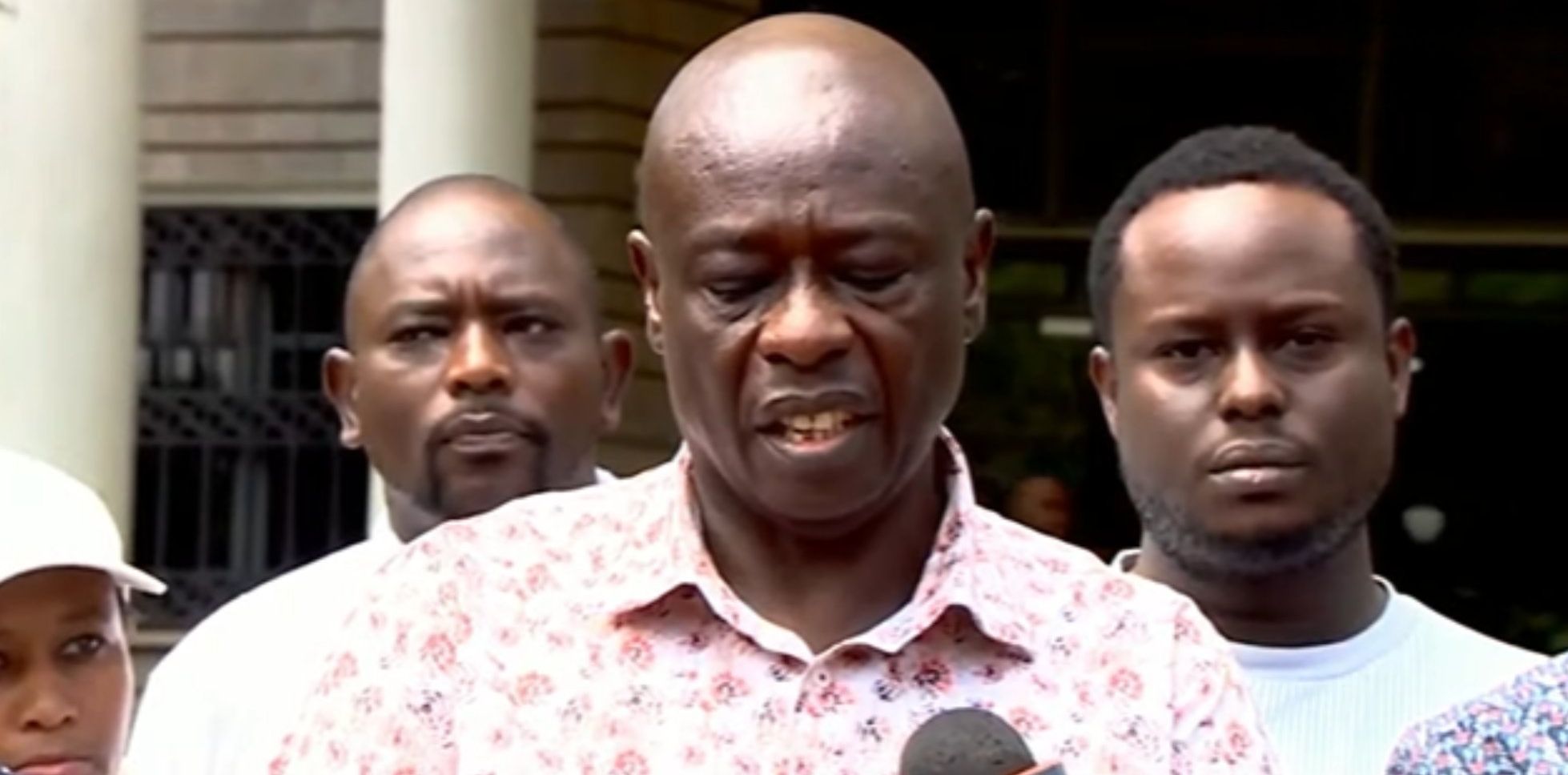
Deputy President Rigathi Gachagua emerged from a brief hospitalization, expressing grave concerns over his health and security following his recent impeachment by the Senate.
Speaking at Karen Hospital, Gachagua revealed that his security detail had been abruptly withdrawn during his stay, leaving him vulnerable amidst a precarious situation.
Gachagua recounted his experience, noting that after his impeachment, not only was his personal security compromised, but also that of his residences in both Karen and his village. He stated, “My workers in Karen were given immediate leave yet the court hasn’t decided the case.”
The impeached Deputy President articulated his disappointment with President William Ruto, with whom he claimed he had shared a longstanding alliance. “If anything happens to me or my family from now on, President Ruto will be held accountable, I never thought that you are such vicious” he declared pointing a finger to his boss. Gachagua reflected on his loyalty, saying, “I stood with you when you had many troubles. I was harassed and ashamed for standing with you, but what you have paid me with is betrayal.”
He expressed deep fears for his life following the impeachment, pleading with President Ruto to keep his family out of political conflicts. “Mr. President, do what you want, but please don’t kill my children,” Gachagua stated emphatically, revealing a sense of desperation and betrayal.
Drawing parallels to historical political rivalries, Gachagua recalled how he felt the current situation mirrored the struggles of Kenneth Matiba during President Moi’s era. “It’s history repeating itself,” he said, warning that President Ruto’s actions could lead him down a similarly perilous path.
Gachagua also voiced his concerns regarding national policies, particularly criticizing the Adani deal and the State House Agenda (SHA). He claimed that his attempts to address these issues were met with hostility from the President. “I challenged President Ruto on the Adani deal and the SHA, and he felt intimidated,” Gachagua asserted. He cautioned against evictions without compensation, overtaxing citizens, and imposing housing programs without public consensus, stating, “You’re killing their businesses. This Adani thing, it’s not good for the country. There’s too much corruption.”
The remarks signal a significant rift between Gachagua and Ruto, marking a pivotal moment in Kenyan politics as the Deputy President grapples with his new reality post-impeachment. Gachagua’s public outcry highlights the tensions within the ruling party and raises questions about the implications of these internal conflicts on governance and public policy.
As Gachagua navigates this challenging chapter, his future, as well as that of the political landscape in Kenya, remains uncertain. The unfolding drama will undoubtedly attract scrutiny from political analysts and the public alike, eager to see how this power struggle will influence the country’s trajectory.