


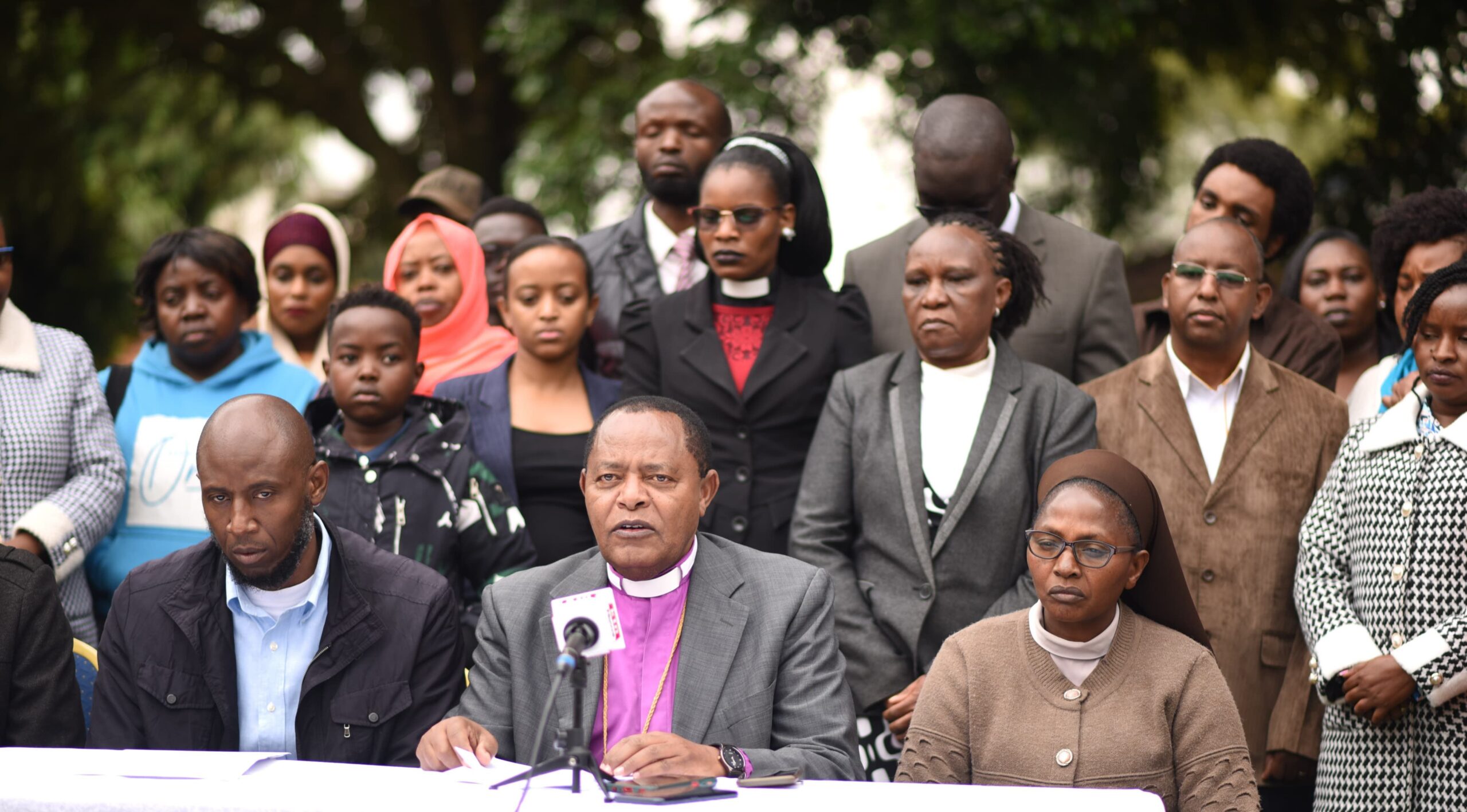
In a significant move towards addressing climate change in Kenya, Anglican Development Services (ADS Kenya), the specialized development arm of the Anglican Church of Kenya, held a breakfast meeting for multi-faith leaders to review climate change adaptation gaps in the country.
The event, that was held at the All Africa Conference of Churches (AACC), aims to enhance advocacy interventions supporting communities affected by climate change through strengthened government and stakeholder policies.
Fred Odinga, National Environmental Coordinator at Anglican Development Services, emphasized the importance of this gathering as part of broader efforts to bolster climate action and accountability. This initiative is a continuation of the unified call to action made by Kenyan faith leaders, urging the government to adopt stronger climate policies and ensure greater inclusion and transparency.
Recognizing the severe impacts of climate change on Kenya, such as frequent droughts, floods, and resource conflicts, faith leaders from various religious backgrounds—Hinduism, Islam, and Christianity—are stressing the urgent need for the government to prioritize grassroots involvement, marginalized groups, and enhanced research capabilities.
During previous gatherings, these leaders have highlighted scriptures that underline the spiritual duty to protect the environment, reflecting the deep connection between humanity and nature.
 Faith Leaders across the country calls on urgent action on climate adaptation gaps
The faith leaders have consistently called for heightened accountability and transparency in governance, urging the government to adhere to ethical standards and ensure that climate funds are utilized effectively. They have also highlighted the importance of public scrutiny and participation in fostering responsible governance.
A significant portion of the leaders’ message focuses on the inclusion of local communities in decision-making processes. They argue that smallholder farmers, who are disproportionately affected by climate change, should have a say in climate action plans to ensure these plans address their specific needs and realities. Additionally, the leaders emphasize the necessity of involving marginalized groups, including women, children, and pastoralists, to promote social equity and enhance community resilience.
To bolster effective climate responses, the leaders advocate for the development of local research capacities. They call for improved data collection, analysis, and dissemination to inform adaptation strategies. Ensuring that climate information is accessible and resonates with different segments of society is also a key point, as is the equitable allocation of climate adaptation funds, particularly for marginalized groups.
On the international front, the faith leaders join the government in calling for reforms to the global financing architecture. They urge the national government to prioritize strengthening existing coordination mechanisms and leveraging the expertise of diverse stakeholders across the country. The leaders underscore the importance of collaboration among faith-based organizations, government agencies, civil society organizations, academia, and the private sector.
In their concluding remarks, the faith leaders issue a call for ambitious mitigation efforts from affluent, industrialized nations. They urge these countries to align with the 1.5°C target of the 2015 Paris Agreement, reduce their carbon footprints, and provide financial and technological support to developing nations.
As climate change continues to pose severe threats to Kenya’s economy and social well-being, the upcoming breakfast meeting hosted by ADS Kenya represents a crucial step in the ongoing efforts to safeguard the nation’s future through inclusive, ethical, and well-coordinated actions.
