


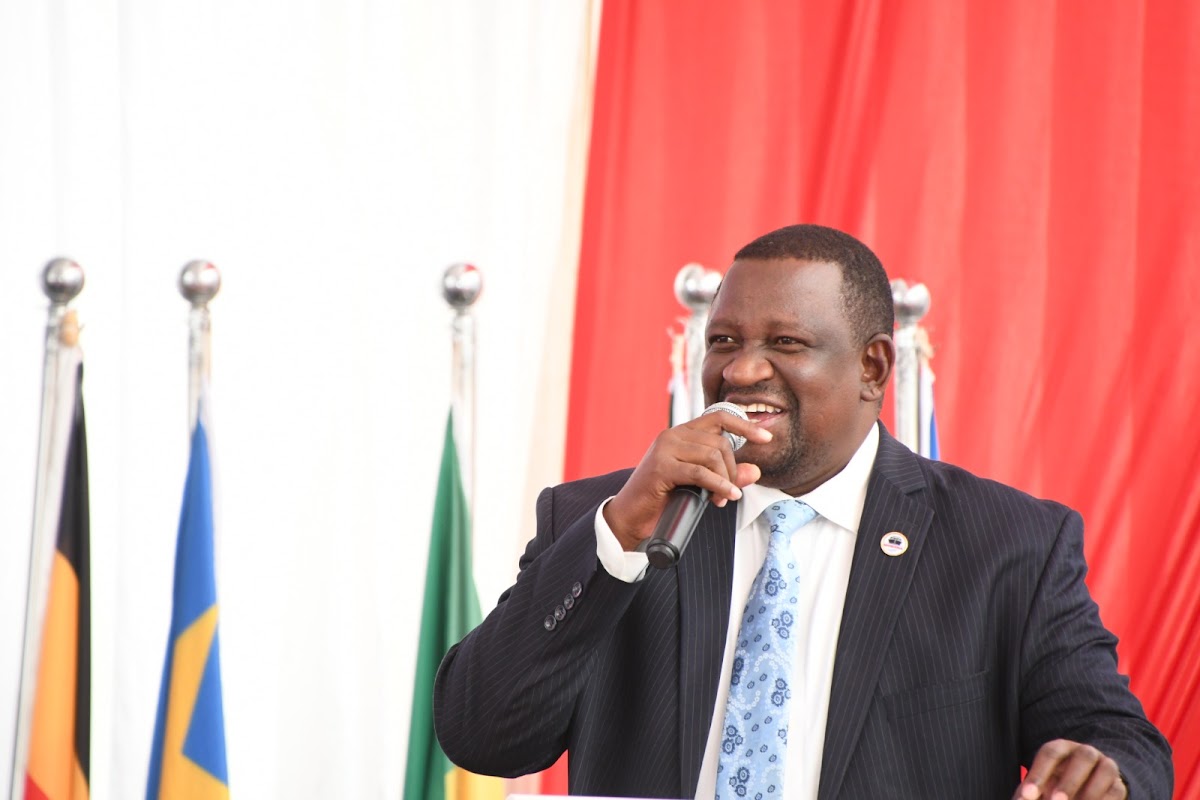
The Intergovernmental Standing Committee on Shipping (ISCOS) convened a landmark assembly in Nairobi, Kenya, with key discussions focused on sustainable shipping and economic prosperity. Hosted by the Ministry of Mining, Blue Economy, and Maritime Affairs.
The event underscored the importance of regional cooperation in addressing maritime challenges and fostering economic growth.
Salim Mvurya, Kenya’s Cabinet Secretary for the Ministry of Mining, Blue Economy, and Maritime Affairs, emphasized the significance of the assembly. “This historic meeting symbolizes the revitalization of ISCOS, aligning with our founding leaders’ vision to unify the shipping and maritime interests of member states,” Mvurya stated.
He highlighted the theme, “Charting the Course Together for Sustainable Shipping and Economic Prosperity,” as a crucial directive for the region’s maritime future.
Mvurya stressed that shipping, responsible for over 90 percent of global trade, also poses significant environmental challenges. He called for unprecedented regional cooperation and innovation to ensure a sustainable maritime future. “Achieving sustainable maritime practices is our collective responsibility. We must work together, leveraging our expertise, resources, and technological advancements,” he urged.
A key focus was on the environmental impact of the shipping industry, including greenhouse gas emissions and marine pollution. Mvurya highlighted the importance of sustainable practices, stressing the need for robust education and training frameworks to prepare the next generation of maritime professionals.
He praised ISCOS for hosting the Regional Forum of Maritime Education and Training Institutions, which promoted cooperation among seven regional countries.
Infrastructure development was a focal point. Mvurya noted Kenya’s significant investments in seaports along the coast and lake ports on Lake Victoria. The Lamu Port-South Sudan-Ethiopia Transport (LAPSSET) corridor was highlighted as instrumental in promoting regional integration and economic interdependence, essential for the African Continental Free Trade Area (AFCFTA).
Kenya’s strides in maritime capabilities were showcased by the launch of MV Uhuru I and II, vessels built by Kenya Shipyards. These ships, with a combined tonnage of 2,323 tonnes, are expected to boost trade and create jobs in the Lake Region. Mvurya called for regional support to establish a regional shipping line, enhancing the region’s capacity for import and export activities.
Policy harmonization was deemed critical for development. The CS emphasized the need for a cohesive regional maritime transport policy, supported by robust regulatory frameworks to ensure compliance with environmental standards. He urged member states to adopt stringent measures complementing international regulations, such as the IMO’s MARPOL Convention.
Frank Museba Tayali, Chair of the Assembly of Ministers of the Maritime Organization for Eastern, Southern, and Northern Africa (MOESNA), echoed the call for regional collaboration.
He highlighted the importance of harmonized policies and common standards to develop the African maritime economy. Tayali noted that despite Africa’s significant contribution to global sea trade, the continent remains reliant on foreign carriers.
Tayali praised the inclusivity of MOESNA, which now includes Ethiopia as its sixth member state. He urged member states to formalize their membership, emphasizing the potential of the African maritime sector in regional and economic development. Tayali also advocated for Africa to own more sea vessels to reduce dependency on foreign players and enhance intra-regional trade.
The ISCOS assembly marked a significant step towards achieving a sustainable and integrated maritime future for Eastern, Southern, and Northern Africa, reflecting a shared vision of environmental stewardship and economic growth.
